Aerosol Waste Management Solutions

Aerosol containers require careful handling because they may contain residual chemicals, flammable propellants or pressurized contents. Our aerosol waste management approach focuses on responsible collection, appropriate handling and compliant processing to support workplace safety and environmental protection.

Understanding Aerosol Waste

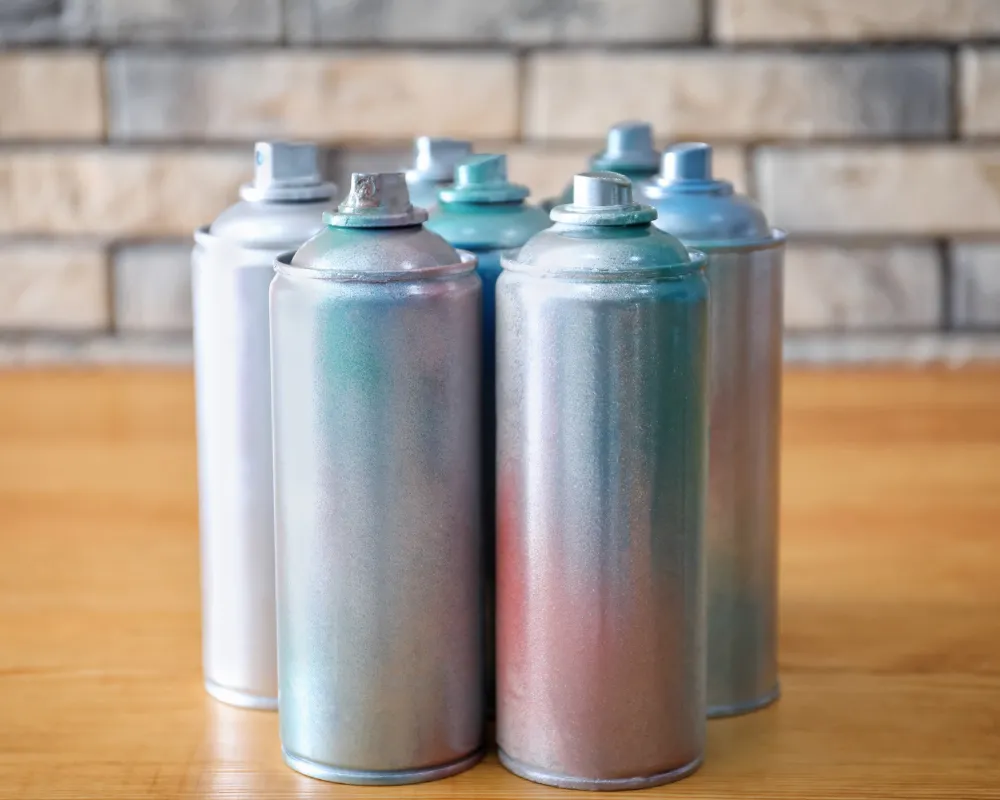
Aerosol waste consists of discarded aerosol cans and pressurized containers used to store and dispense products in the form of sprays, mists, or foams. These products are commonly found across industrial, commercial, automotive, healthcare, and household applications. Aerosol containers may contain residual chemicals, flammable substances, compressed gases, or other hazardous materials, making their proper handling and disposal essential.

At Reloop Recycling, we support responsible aerosol waste management through controlled collection, safe handling, and compliant treatment and disposal solutions.

Common Sources of Aerosol Waste

  • Manufacturing Industries – Industrial spray paints, lubricants, cleaning sprays, adhesives, and chemical application products.
  • Automotive Workshops & Service Centres – Spray paints, brake cleaners, degreasers, lubricants, and maintenance aerosols.
  • Insecticide & Pest Control Aerosols
  • Industrial Chemical Aerosols

Types of Aerosol Waste We Manage

We support businesses in managing different types of textile waste, subject to material composition, condition, contamination, quantity, and recovery requirements.
Pre-Consumer Textile Waste
Textile waste generated before products reach consumers, including fabric offcuts, cutting-room scraps, rejected garments, yarn remnants, and surplus production materials.
Fabric and Garment Production Waste
Waste generated during spinning, weaving, knitting, cutting, stitching, and other textile or apparel manufacturing activities. Proper segregation can help identify materials suitable for reuse or recycling.
Surplus and Rejected Textiles
Unused, damaged, defective, or obsolete fabrics and garments arising from manufacturing, stock management, or commercial operations. Suitable materials may be directed towards reuse or recovery.
Post-Consumer and Used Textiles
Eligible discarded clothing, uniforms, household fabrics, linens, and other end-of-life textile products. Their suitability for reuse or recycling depends on condition, fibre composition, hygiene, and contamination.
Mixed-Fibre and Blended Textiles
Polyester-cotton blends, mixed-fibre fabrics, and textiles containing different materials. These streams require assessment to determine whether suitable sorting, recycling, or alternative recovery options are available.

Our Aerosol Waste Management Process

Reloop Recycling follows a structured approach to textile waste management, from initial assessment and collection to sorting and identifying suitable reuse, recycling, and recovery options. Each stage is guided by the material type, condition, and available processing routes to support responsible waste handling.
Assessment
Identify textile types, quantities, fibre composition, and contamination.
Collection
Arrange suitable collection, handling, and transportation
Sorting
Separate reusable, recyclable, and residual textile materials.
Recovery
Direct suitable materials towards reuse, upcycling, and recycling.
Final Handling
Manage remaining waste through appropriate handling and disposal routes.

Why Choose Reloop For Textile Waste Managment?

Reloop Recycling helps businesses manage textile waste through practical, responsible solutions
designed around their material types and operational requirements. We focus on appropriate handling, material recovery,
and identifying suitable reuse and recycling options wherever feasible.
Responsible Waste Handling
Support the appropriate management of textile waste based on material type, condition, and recovery requirements.
Tailored Business Solutions
Waste management approaches aligned with your textile waste streams, quantities, and operational needs.
Improved Material Recovery
Identify opportunities to direct suitable textile materials towards reuse, recycling, or other recovery routes.
Efficient Waste Management
Help streamline textile waste handling through suitable collection, segregation, and management arrangements.
Sustainability-Focused Approach
- Support business efforts to reduce avoidable disposal and make better use of recoverable materials.

Industries We Serve

Partner with Reloop Recycling to manage your textile waste through responsible collection, recycling,
and recovery solutions tailored to your operational requirements.
  • Request a Consultation
  • Contact Our Team

Frequently Asked Questions

Partner with Reloop Recycling to manage your textile waste through responsible collection, recycling,
and recovery solutions tailored to your operational requirements.

Reloop Recycling supports businesses with textile waste such as fabric offcuts, yarn remnants,
production scraps, rejected garments, surplus fabrics, used uniforms, linens, and eligible end-of-life
textiles, subject to material assessment.

Our services are suitable for textile manufacturers, garment factories, fashion brands, fabric producers,
and other businesses that generate textile waste through their operations.

Some mixed-fibre textiles can be recovered or recycled, depending on their composition and the
available processing technology. These materials require assessment to determine suitable management
options.

Yes. Businesses generating textile waste regularly can discuss their waste types, estimated quantities,
and collection requirements with our team to determine a suitable arrangement.
29+
Team Members
19+
Winning Awards
300+
Happy Clients
10K+
Completed Projects

Textile Waste Management Impact and Statistics

4,850

Textile waste collected

3,260

Materials recovered or recycled

124

Businesses served

18

Collection or recovery partners

Frequently Asked Questions

Textile waste management is the organized collection, sorting, reuse, recycling, recovery, and appropriate handling of discarded fabrics, garments, fibres, and other textile materials.

We assess eligible fabric scraps, cutting waste, yarn remnants, rejected garments, surplus textiles, production leftovers, and other business-generated textile waste. Acceptance depends on material composition, condition, contamination, quantity, and available recovery routes.
No. Recycling depends on fibre composition, fabric construction, dyes, finishes, contamination, processing technology, and market demand. Some materials may be suitable for reuse or alternative recovery instead.

Reuse extends the life of an existing textile or product with minimal reprocessing. Recycling processes discarded materials into recovered fibres, polymers, or other usable outputs.

Manufacturers can improve fabric cutting layouts, optimize production planning, segregate offcuts, reuse suitable remnants, monitor material losses, and establish appropriate textile recycling arrangements.

Collection arrangements are planned according to the type and volume of waste, storage conditions, collection frequency, site access, and transportation requirements.

Materials that cannot be reused or recycled through available routes are assessed for other suitable recovery, treatment, or disposal options, in accordance with applicable requirements.
© 2026 Reloop Global. All rights reserved.