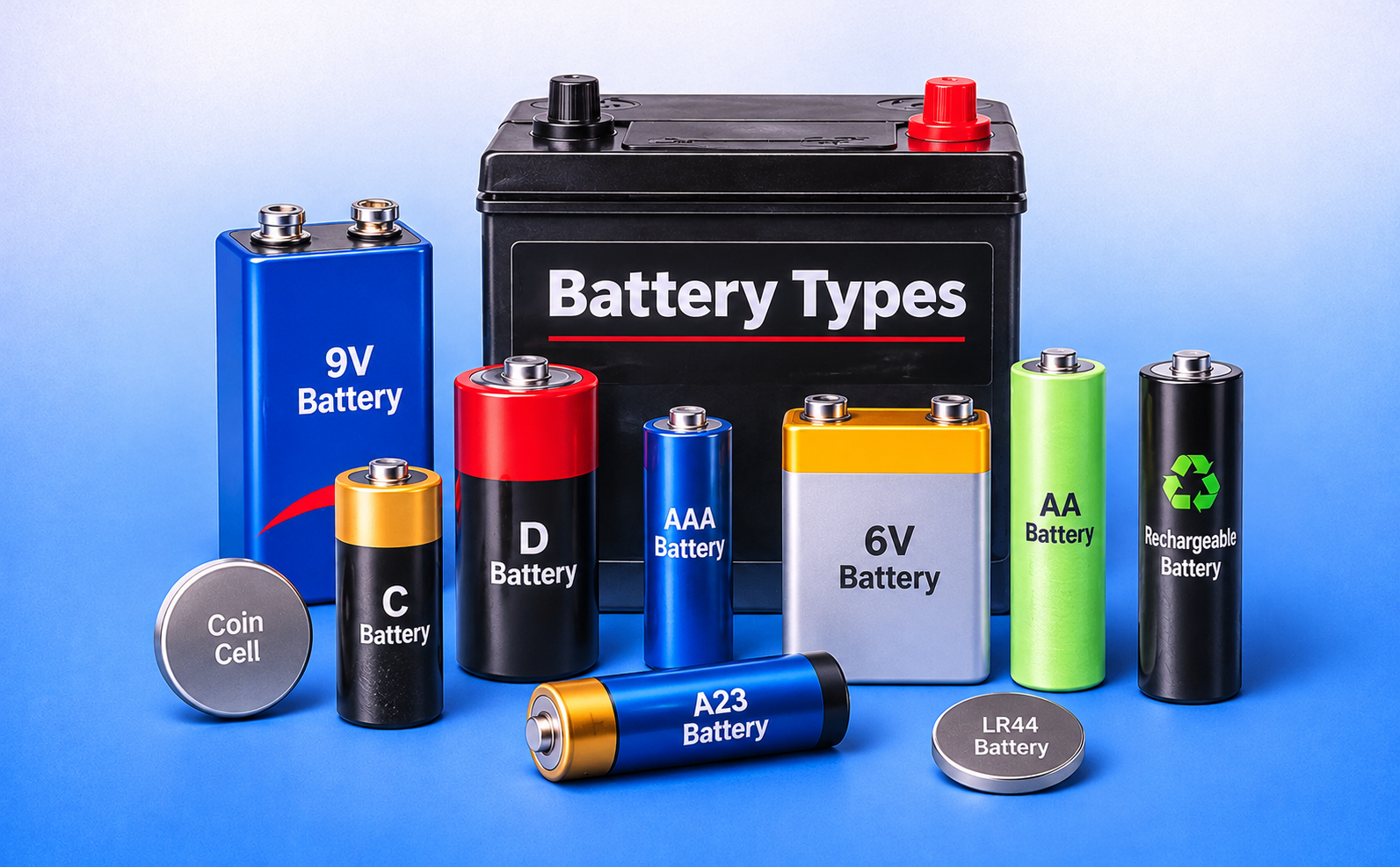
Discarded batteries contain valuable recoverable materials but can also present environmental and safety risks when handled incorrectly. We help businesses manage battery waste through responsible collection, segregation and appropriate recycling channels, supporting safer resource recovery and environmental sustainability.
Understanding Battery Waste
Batteries are a part of our everyday lives, from smartphones and laptops to vehicles, household appliances and industrial equipment. Over time, these batteries lose their ability to hold a charge and eventually need to be replaced. This creates battery waste, which includes different types such as lithium-ion, lead-acid, alkaline and nickel-based batteries. As the use of electronic devices and battery-powered products continues to grow, managing used batteries has become an important part of responsible waste management.
However, simply throwing away old batteries can cause serious environmental problems. Some batteries contain harmful chemicals and heavy metals that can pollute soil and water if they are not handled properly. At the same time, they contain valuable materials that can be recovered and reused through proper recycling processes. With the right collection, segregation, handling and recycling practices, battery waste can be managed safely while reducing pollution and conserving natural resources. Responsible battery management helps businesses minimize their environmental impact and contributes to a cleaner, more sustainable future.
Common Sources of Battery Waste
Consumer Electronics
Automotive Industry
Household Appliances
Industrial Equipment
Renewable Energy Systems
Types of Battery Waste We Manage
We support businesses in managing different types of batteries waste, subject to material composition, condition, contamination, quantity, and recovery requirements.
Lithium-Ion Batteries
Commonly found in smartphones, laptops, tablets, electric vehicles and power banks.
Lead-Acid Batteries
Used in cars, motorcycles, trucks, UPS systems, inverters and industrial backup equipment.
Nickel-Cadmium (Ni-Cd) Batteries
Used in cordless power tools, emergency lighting, industrial equipment and older electronic devices.
Nickel-Metal Hydride (Ni-MH) Batteries
Commonly used in rechargeable household devices, digital cameras, cordless phones and hybrid vehicles.
Zinc-Carbon Batteries
Polyester-cotton blends, mixed-fibre fabrics, and textiles containing different materials. These streams require assessment to determine whether suitable sorting, recycling, or alternative recovery options are available.
Our Battery Waste Management Process
We follow a systematic approach to battery waste management, ensuring that used and discarded batteries are handled responsibly at every stage. From collection to recycling, each step focuses on safe handling, proper segregation and maximum resource recovery.
Collection & Pickup
We collect used, discarded and end-of-life batteries from businesses, industries, commercial establishments and other sources through an organized collection process.
Sorting & Segregation
Collected batteries are sorted based on their types, chemical composition, condition and material characteristics to ensure appropriate handling and processing.
Safe Storage & Transportation
Batteries are stored and transported using suitable safety measures to minimize the risk of leakage, damage, short circuits and fire hazards.
Recycling & Material Recovery
Batteries are directed to appropriate authorized recycling facilities, where valuable materials such as lithium, lead, nickel, cobalt and other metals can be recovered through suitable processes.
Responsible Processing & Disposal
Non-recoverable materials and processing residues are directed towards appropriate authorized treatment and disposal channels in accordance with applicable environmental regulations.
Why Responsible Battery Recycling Matters
Reloop Recycling helps businesses manage textile waste through practical, responsible solutions designed around their material types and operational requirements. We focus on appropriate handling, material recovery, and identifying suitable reuse and recycling options wherever feasible.
Responsible Waste Handling
Support the appropriate management of textile waste based on material type, condition, and recovery requirements.
Tailored Business Solutions
Waste management approaches aligned with your textile waste streams, quantities, and operational needs.
Improved Material Recovery
Identify opportunities to direct suitable textile materials towards reuse, recycling, or other recovery routes.
Efficient Waste Management
Help streamline textile waste handling through suitable collection, segregation, and management arrangements.
Sustainability-Focused Approach
- Support business efforts to reduce avoidable disposal and make better use of recoverable materials.
Industries We Serve
Battery waste is generated across various industries that rely on electronic devices, vehicles, machinery and backup power systems. We support businesses across different sectors in managing their used and end-of-life batteries through responsible collection, segregation and recycling solutions.
Automotive & Electric Vehicle Industry - Cars, motorcycles, electric vehicles, trucks and automotive service centres generate used lead-acid and lithium-ion batteries.
Electronics & Electrical Industry - Manufacturers and service providers generate battery waste from smartphones, laptops, computers, cameras, electronic appliances and other battery-operated devices.
Telecommunications Industry - Telecom towers, network infrastructure and communication facilities use backup battery systems that require periodic replacement and responsible disposal.
IT & Data Centres - Data centres, server rooms, IT companies and office facilities generate battery waste from UPS systems, backup power units and electronic equipment.
Healthcare & Pharmaceutical Industry - Hospitals, diagnostic centres, laboratories and healthcare facilities generate used batteries from medical devices, monitoring equipment and emergency backup systems.
Manufacturing & Industrial Sector - Factories, warehouses and production facilities generate battery waste from industrial machinery, forklifts, UPS systems and other battery-powered equipment.
Retail & Commercial Sector - Shopping malls, supermarkets, retail stores and commercial establishments generate used batteries from security systems, electronic devices, emergency lighting and battery-operated equipment.
Frequently Asked Questions
Partner with Reloop Recycling to manage your textile waste through responsible collection, recycling, and recovery solutions tailored to your operational requirements.
Different types of batteries can be recycled, including lithium-ion, lead-acid, alkaline, nickel-cadmium, nickel-metal hydride, zinc-carbon and button cell batteries.
Industries such as automotive, electronics, telecommunications, manufacturing, renewable energy, healthcare and IT generate battery waste through their equipment and daily operations.
Proper battery disposal helps prevent soil and water contamination, reduces fire hazards, minimizes landfill waste and ensures that valuable materials can be recovered safely.
Used batteries should be stored in designated, dry and well-ventilated areas, away from heat, moisture and direct sunlight. Different battery types should be segregated, and damaged or leaking batteries require special handling.