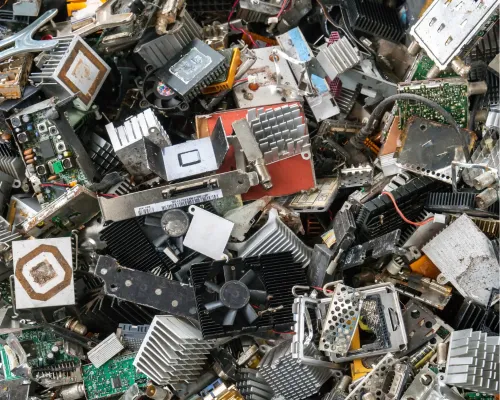
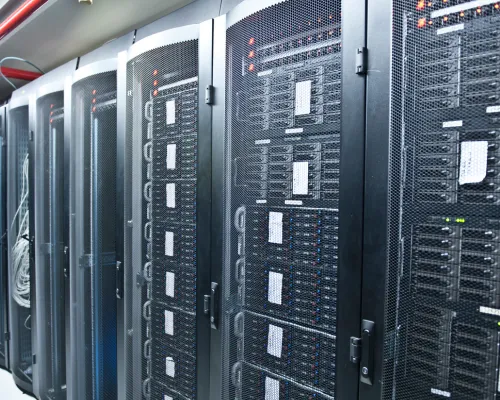
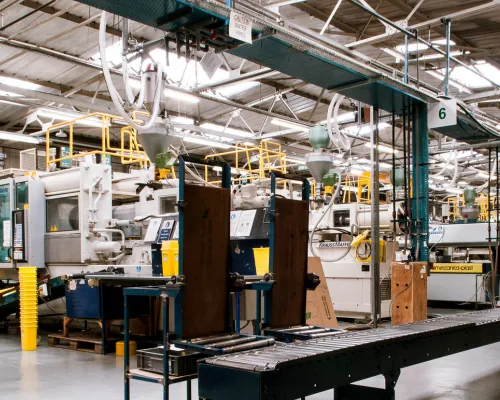
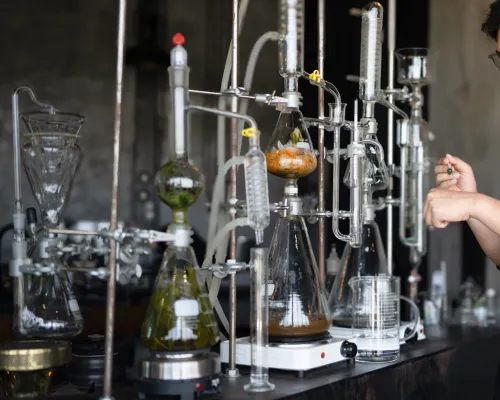
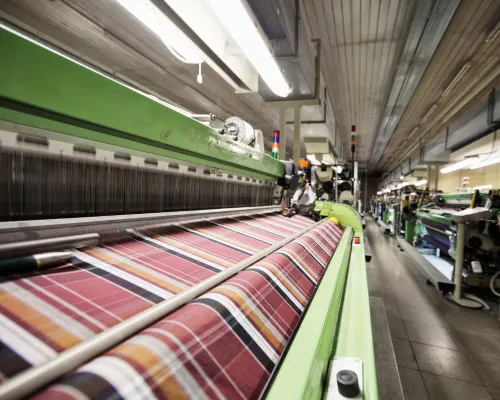
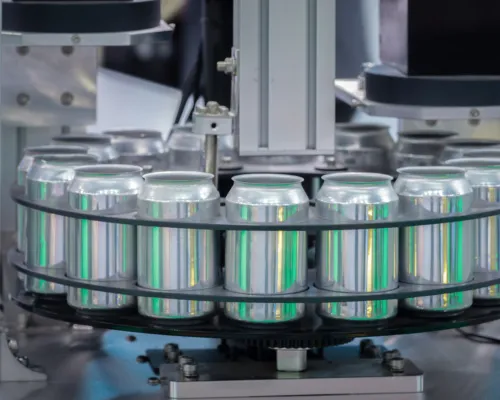
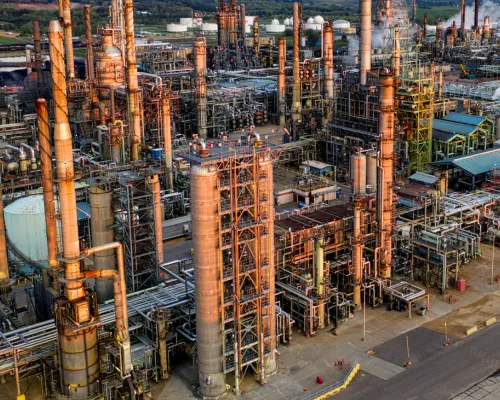
The textile industry generates a wide range of waste materials throughout fabric manufacturing, spinning, weaving, dyeing, printing, garment production, and packaging processes. Common waste includes fabric scraps, yarn leftovers, rejected garments, cotton waste, synthetic fibres, polyester, denim, and other textile offcuts. Along with textile waste, manufacturing units and garment factories also generate plastic packaging, glass containers, metal scrap, used machinery parts, electrical and electronic equipment, batteries, cardboard, paper, and wooden pallets. With large-scale production and frequent material handling, managing these different waste streams can become challenging, particularly when dealing with excess fabric, production rejects, and discarded packaging materials.
Reloop Recycling helps textile manufacturers, garment factories, apparel brands, and fabric processing units manage their waste through organized collection, segregation, recycling, and material recovery solutions. From fabric scraps, used textiles, yarn waste, and synthetic fibres to plastic packaging, glass, metal scrap, electronic components, batteries, cardboard, and wooden waste, we help businesses identify suitable recycling and recovery channels for different materials. Our aim is to reduce textile waste accumulation, recover reusable materials wherever possible, minimize landfill disposal, and encourage responsible resource utilization. By supporting better waste segregation and recycling practices, Reloop Recycling helps textile businesses manage their waste more efficiently and move towards more sustainable production and manufacturing operations.
Explore More Industries.